
Pedestrian Accidents · Sugar Land, TX
Struck by a vehicle while walking? Pedestrians have nothing between them and 3,000 pounds of steel — and insurers still try to blame the person on foot. You pay nothing unless we win. Uzoma Sudarma fights for injured pedestrians across Fort Bend County.
Available anytime
Pay nothing unless we win
Rooted in Fort Bend
Talk to an attorney today
Hit by a car while walking in Sugar Land? Pedestrian crashes cause some of the most severe injuries on the road, and drivers routinely claim the victim “came out of nowhere.” Uzoma Sudarma investigates what really happened and fights for your recovery. No fee unless we recover.
Pedestrian crashes — no protection at all
A person on foot has nothing between them and the vehicle
Drivers must yield to pedestrians in marked and unmarked crosswalks
Insurers often claim the pedestrian darted out or was jaywalking
Injuries are often catastrophic, even at lower speeds
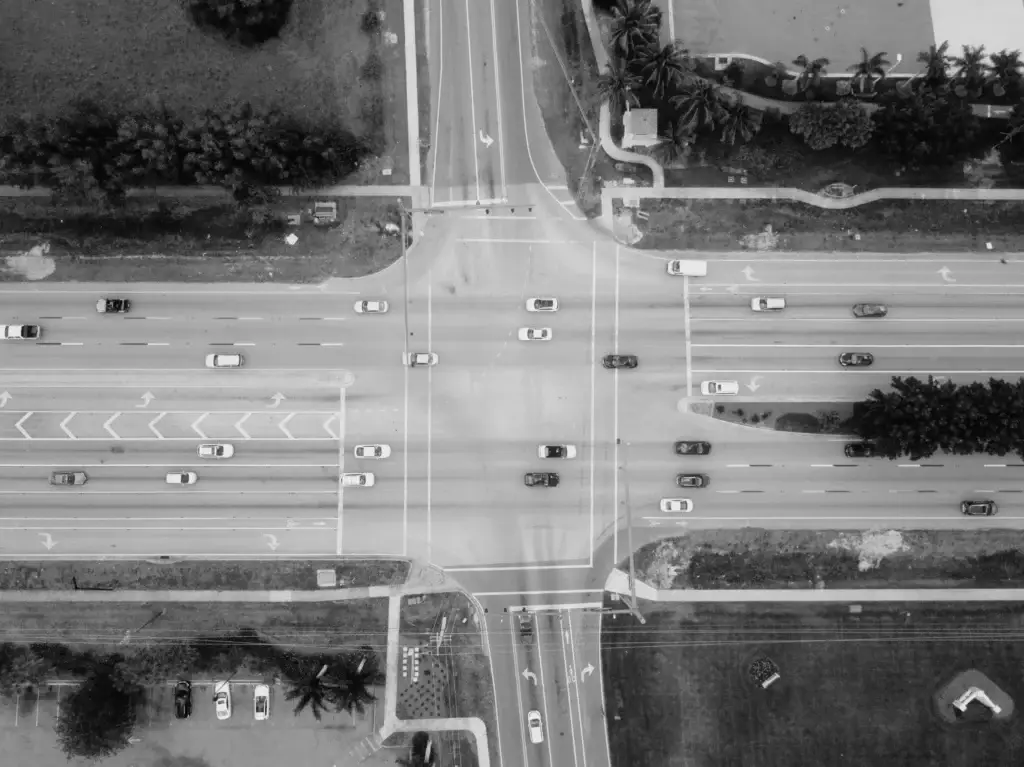
Even where there’s no painted crosswalk, Texas law often still gives pedestrians the right of way at intersections. We make sure your crash is judged on the law and the evidence — not on the driver’s story.
If a driver’s negligence caused your injuries while you were on foot, you likely have a claim — even if the insurance company is already suggesting you stepped out without looking. The legal questions are the same as any car accident case (who was negligent, and what did it cost you?), but pedestrians face the same blame-shifting that riders do.
Most pedestrian crashes trace back to a driver who wasn’t watching. Common at-fault conduct includes:
Even if you were crossing outside a crosswalk, you may still have a claim. Texas lets you recover as long as you were 50% or less at fault, and drivers always have a duty to keep a proper lookout. If an insurer is blaming you, that is exactly the kind of argument we are built to fight.
Most consultations take just a few minutes, and there’s no obligation. We’ll tell you honestly whether you have a claim worth pursuing.
What you do after being struck protects both your health and your claim — especially when the driver’s version may not match what really happened. If you missed some of these steps, don’t panic; an attorney can often help reconstruct the evidence.
Make sure police create an official report at the scene.
Get checked immediately — head and internal injuries can be hidden.
Photograph the vehicle, the crosswalk, signals, and your injuries.
Get the driver's details and every witness's name and number.
Don't admit fault — the driver may claim you stepped out suddenly.
Don't give the driver's insurer a recorded statement before you get advice.
Save medical bills, pay stubs, and the clothing you were wearing.
Get advice before accepting any early settlement offer.
Get medical care right away, even if you feel okay. Pedestrian crashes commonly cause traumatic brain injuries, fractures, and internal trauma that need prompt treatment — and a gap in care is one of the first things an insurer uses to argue you weren’t really hurt.
Traffic-camera and business surveillance footage is often overwritten within days, and it's frequently the best proof of who had the right of way. The sooner you act, the more we can preserve.
Tell us what happened — we’ll review your case at no cost, usually within one business day.
No fee unless we win · or call (832) 680-2380


Texas sets firm deadlines for pedestrian accident claims, and missing one can permanently end your case. For most personal injury claims, you have two years from the date of the crash to file a lawsuit (Tex. Civ. Prac. & Rem. Code 16.003). If a loved one died, a wrongful death claim generally must be filed within two years of the date of death. Investigations take time, so it is best not to wait.
Shorter deadlines can apply when a government entity is involved — for example, a city vehicle or a public transit bus. These claims fall under the Texas Tort Claims Act, which requires formal notice well before the two-year mark — sometimes within 45 to 90 days. If a government vehicle may be involved, contact a lawyer right away.
Texas also uses modified comparative negligence, called proportionate responsibility. You can still recover as long as you were 50% or less at fault, but your recovery is reduced by your share of the blame. This is why insurers push the “jaywalking” narrative so hard — shifting blame onto you cuts what they pay. Our team documents fault carefully to keep your recovery intact.
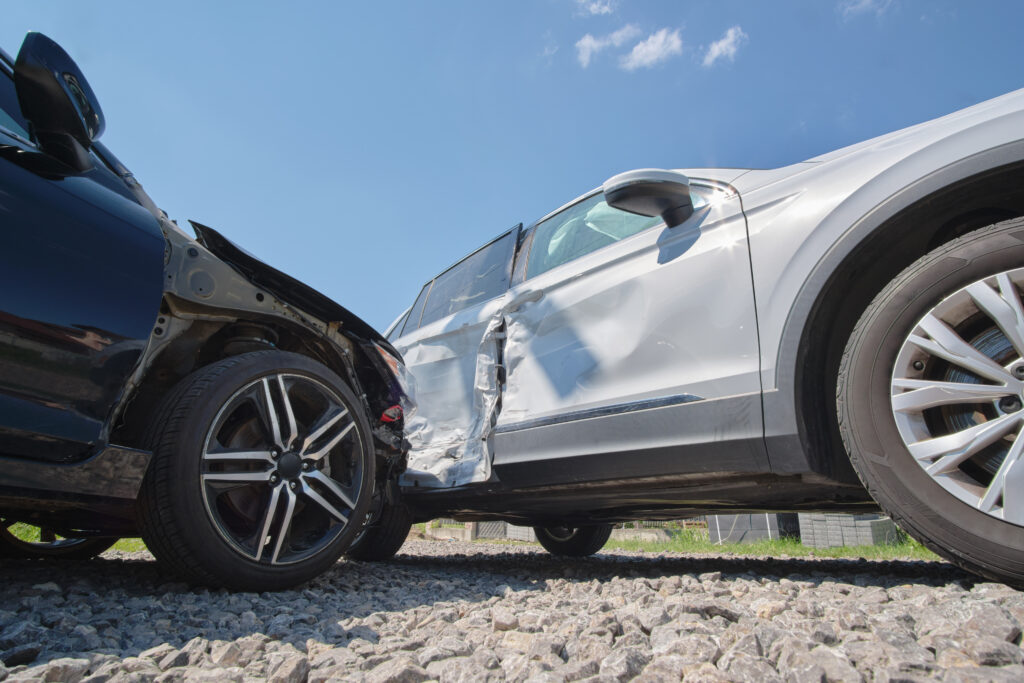
Because pedestrians have no protection, these crashes often cause catastrophic, life-changing injuries. Texas law allows victims to seek both economic damages (your measurable financial losses) and non-economic damages (the human toll of the injury). Documenting every category of loss fully is critical, because insurers count on blame-shifting to justify undervaluing your claim.
Emergency care, hospital stays, surgery, and rehabilitation.
Ongoing or lifelong care for catastrophic injuries.
Lost wages plus reduced earning capacity if you can't return to work.
Damaged personal property, such as a phone, glasses, or clothing.
Physical pain and the mental anguish that follows a serious crash.
Lasting physical impairment, disfigurement, and scarring.
Loss of enjoyment of life and loss of consortium for affected families.
Punitive damages in cases of gross negligence, such as drunk driving.
Every case is different, and insurers count on you undervaluing your own claim. The only way to know what yours may be worth is to have an attorney review the facts — at no cost to you.
When you hire Uzoma Sudarma, you are not a case number handed off to a paralegal — you work directly with a dedicated attorney who knows your name and the details of your crash. Our tagline says it plainly: work with us, win with us. We believe personal injury work should feel personal, especially when you are recovering from a serious injury.
We are rooted in Fort Bend County, and we know how to move fast on the camera footage and witness accounts that decide pedestrian cases. When you trust US, you gain the power of:
We take pedestrian accident cases on contingency, so there is no upfront cost and no attorney fee unless we recover for you. That lets you focus on healing while we handle the insurers, the investigation, and the negotiation. Your first consultation is always free.
Our office sits at 14015 Southwest Fwy, Suite 14 in Sugar Land, close to the crosswalks, parking lots, and intersections where many local pedestrian crashes happen. We represent injured pedestrians, cyclists, and drivers throughout Sugar Land and the surrounding Fort Bend County communities.
Beyond Sugar Land, we regularly help crash victims in Missouri City, Richmond, Rosenberg, Stafford, and Katy, as well as the greater southwest Houston area. Wherever your accident happened, we are close enough to investigate it promptly.
If you or someone you love was struck by a vehicle, call Uzoma Sudarma at (832) 680-2380 for a free consultation. We will explain your options under Texas law in plain language and tell you honestly how we may be able to help — with no obligation and no fee unless we recover for you.
Simple, No-Pressure Process
Tell us what happened. We review your crash, your injuries, and your options at no cost — with no obligation.
We secure the video, reconstruct the crash, fight the blame narrative, and handle the insurers while you heal.
We pursue the maximum compensation you're owed. You pay nothing unless we win — our fee only comes out of your recovery.

Meet Your Attorneys
At Uzoma Sudarma, you’re never handed off to a case manager or lost in a call center. From your first call to your final check, you work directly with a dedicated attorney who knows your name and the details of your crash. Work with us, win with us.
Don't Wait — Video Evidence Disappears
Don’t let the driver’s insurer decide the story. Get a free, no-pressure case review — and pay nothing unless we win.
You may still recover. Texas uses modified comparative negligence, so you can recover as long as you were 50% or less at fault, though your award is reduced by your share of the blame. Drivers also always have a duty to keep a proper lookout. Because insurers routinely exaggerate a pedestrian’s fault, it’s worth having an attorney evaluate the facts before you assume you have no case.
Often, yes. Texas law generally requires drivers to yield to pedestrians in crosswalks, and at many intersections a crosswalk exists legally even if no lines are painted on the road. Where exactly you were and what the driver did are both key facts — which is why documenting the scene matters so much.
It’s the most common defense there is, and it’s frequently contradicted by the evidence. Traffic-signal data, nearby business cameras, and witness accounts often show the driver simply wasn’t looking. We move quickly to secure that footage before it’s overwritten — often within days.
We handle pedestrian accident cases on a contingency-fee basis, so there is no upfront cost to hire us. You pay no attorney fee unless we recover for you, and your initial consultation is always free.
Every case is different, and we cannot promise a specific amount. Because pedestrian injuries are often catastrophic, these claims can be significant, but value depends on the injuries, medical costs, lost income, the long-term impact, and the available coverage. We document every category of loss so your claim reflects its true value.
In most cases you have two years from the date of the crash to file a lawsuit under Texas law, and much shorter notice deadlines apply if a government vehicle was involved. Because surveillance video is often erased within days, it is best to speak with a lawyer as soon as possible.